
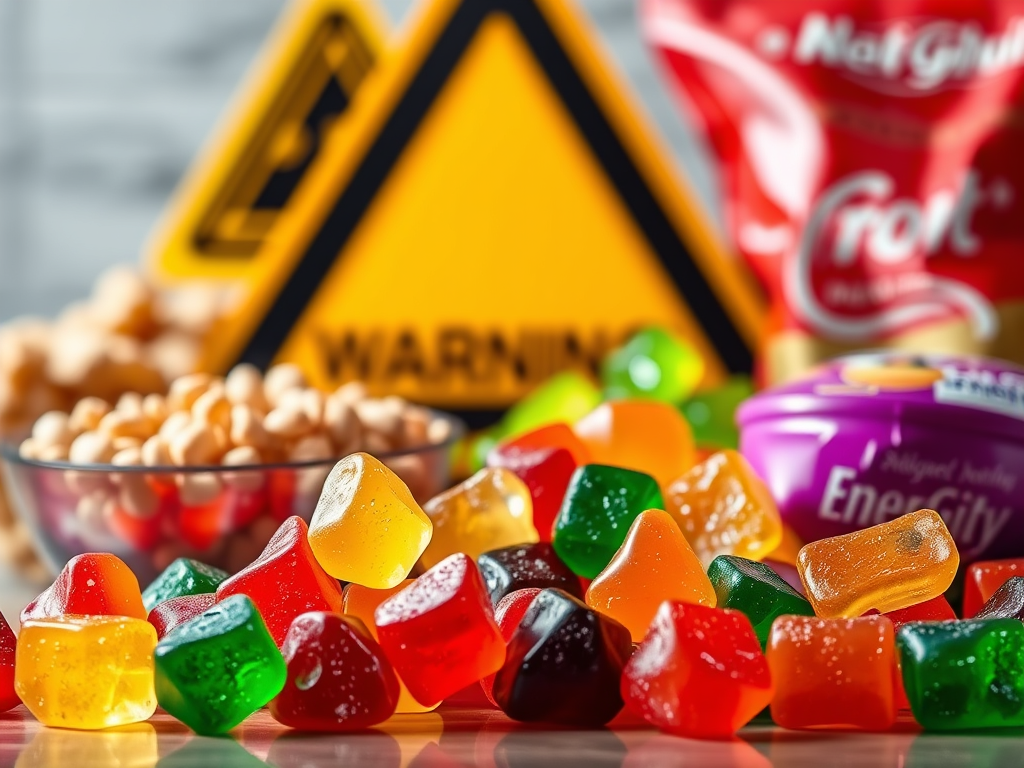

That sweet treat at the gas station might not be so sweet.
7-OH, a powerful compound found in kratom, is showing up in candy-like gummies and energy shots—what looks harmless could actually be dangerous for kids and teens
Watch out what you or your kids grab at the gas station next time. A new concern is growing around 7-hydroxymitragynine, also known as 7-OH, a compound found in kratom. While sold in colorful packaging that looks like candy or small energy shots, experts warn the effects are anything but harmless.
7-OH is up to thirteen times stronger than morphine and acts directly on opioid receptors in the brain. That means the risks are similar to opioids—dependence, withdrawal, and in some cases serious medical complications. Poison centers across the country have tracked a sharp rise in calls linked to kratom and 7-OH. Between January and July of this year, there were 1,690 kratom exposure reports, more than all of 2024, with 165 involving 7-OH. About a third of those cases were considered serious, and two-thirds required treatment in healthcare facilities.
What makes it especially concerning for families is how it is marketed. Cotton candy-flavored gummies and shots branded with names like Smurphs, Rave 7-Hydroxy, and Feel Free sit on counters at gas stations and vape shops, often right next to everyday snacks. They look like treats that kids and teens might grab without realizing the dangers.
Federal officials are taking notice. The FDA has called 7-OH an emerging public health threat and is moving to classify it as a Schedule I controlled substance, the strictest category. HHS Secretary Robert F. Kennedy Jr. said, “Today, we’re taking action on 7-OH as a critical step in the fight against opioid addiction. We will protect the health of our nation’s youth.” Florida has already banned it statewide, and Colorado has restricted its sale in candy-like forms.
Still, not everyone agrees on the path forward. Industry groups argue that the risks are exaggerated, pointing out that there are no confirmed deaths tied to 7-OH alone despite widespread use. Some researchers believe tighter restrictions could block scientific study while driving the market underground.
For families, though, the takeaway is simple: be aware. Read labels, watch what ends up in shopping baskets, and talk with kids about why these products can be harmful. If someone develops symptoms like confusion, vomiting, seizures, or trouble breathing after using 7-OH, seek medical help right away.
That little bottle or packet at the counter may look harmless, but it could be far more dangerous than it seems.
Rachel Redlin is a columnist, author, journalist, and award-winning radio host. She lives in Northwest Kansas with her husband and five children, where she writes about faith, food, and the simple everyday life. Want to read more or contact us? You can subscribe to the FREE newsletter at www.simplybloominggrace.com


Want some help with where to start? We’ve chosen 3 items to encourage and equip you with our Stay in the Know News Hacks. Click the links below to find out more!

Have you read our latest book release? Check out and read The Well today!



Note: This post contains affiliate links. As an Amazon Associate, I may earn a small commission from qualifying purchases—at no extra cost to you. Thank you for supporting Simply Blooming Grace. You can read our privacy and security policy HERE.
 Simply Blooming Grace